The Problem of Antimicrobial Resistance
Antibiotic resistance, also called antimicrobial resistance (AMR), is a major global health challenge. AMR occurs when microorganisms like bacteria, viruses, fungi and parasites stop responding to antimicrobial medicines (antibiotics) used to treat infections. This makes the infections harder to treat, increases the risk of disease spread and can lead to severe illness or death.1
AMR is accelerated by the misuse and overuse of antimicrobials, including:1
• Over-prescribing or incorrectly prescribing antibiotics for viral infections like the common cold or ‘flu.
• Patients not completing the full course of an antibiotic medication.
Did you know? In 2019, AMR was responsible for an estimated 1.27 million deaths.1
Naturally, AMR puts many of the gains of modern medicine at risk. Leprosy patients are among those at risk; if a patient doesn’t properly complete their antibiotic treatment for leprosy, they can relapse and potentially develop a drug-resistant strain of the disease, which is much harder to treat.2
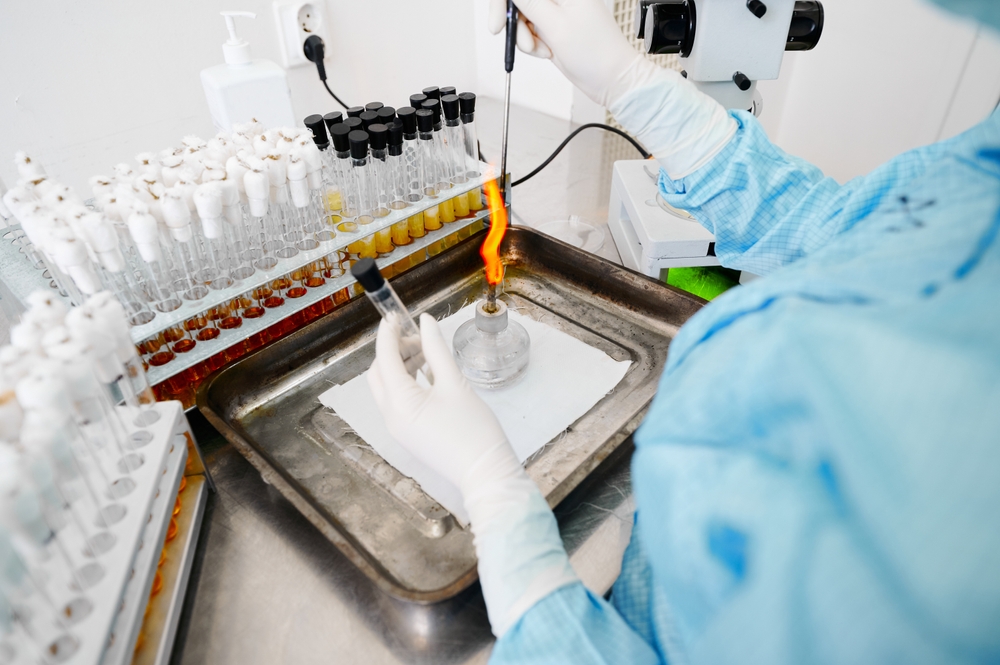
Now a laboratory at the University of Pittsburgh has developed a promising potential solution to the global threat of AMR.3
Synethtic Phages fight Leprosy, Tuberculosis & Other diseases
Biotechnology researcher Graham Hatfull has spearheaded the development of viruses made from synthetic genetic material. These viruses are known as bacteriophages or simply phages. Phages are harmless to humans. In fact, many phages occur naturally in our bodies. But they are deadly to certain bacteria, and may be the key to targeting stubborn diseases that are becoming resistant to antibiotics.3
The phages created in the Pitt lab study are designed to attack the pathogens causing leprosy, tuberculosis and other illnesses.3
Hatfull has already produced and sent phages to help around 50 patients for whom antibiotics have been ineffective. However, there have been some cases where his lab hasn’t had the right virus available to create the appropriate phage. Luckily, gene editing is set to remove this limitation, and can even allow scientists to design new phages that don’t exist in nature, but may be highly effective at killing certain harmful bacteria.3
Promising Treatment Results with Phages
Hatfull was involved in a 2022 study where 11 of 15 patients treated with phages saw clinical improvement. And unlike antibiotics, there’s little evidence of any serious side effects from phages. “They’re really not foreign objects to us in the same way that many antibiotics are,” says Hatfull.3
Did you know? In 2023, roughly one in six infections tested by labs worldwide were found to be resistant to antibiotics, according to a WHO report.3
With antibiotics becoming less effective, bacteria-killing phages offer a hopeful solution. As Hatfull’s team’s work continues, we may one day soon see a more effective treatment for treatment-resistant strains of leprosy and TB, among other diseases.3
References:
1. Antimicrobial resistance. World Health Organization. Accessed December 1, 2025. https://www.who.int/news-room/fact-sheets/detail/antimicrobial-resistance.
2. Leprosy antibiotic treatment. Infolep. Accessed December 1, 2025. https://www.leprosy-information.org/key-topics/leprosy-antibiotic-treatment.
3. Phages to the rescue? Pitt lab develops viruses to combat antibiotic-resistant bacteria. Accessed December 1, 2025. https://community.triblive.com/news/3917371.