This is an excerpt from an article originally published in The Leprosy Mission International’s Leprosy Insights Magazine #18. You can read the full article here.
Communities that are low-endemic for leprosy create a curious challenge. Identifying new cases is difficult, as signs and symptoms of leprosy are not often seen and may go unrecognised and therefore left undiagnosed. In rural areas, communities are usually distant from the healthcare services that would make a difference. Low-endemic countries may also struggle to find the funding needed for initiatives aimed directly at eliminating leprosy.
The Preventive Health and Community Empowerment (PHACE) programme is one solution to this problem. Its success has rolled from one country to the next. The approach was developed in Bougainville around 20 years ago as the Bougainville Healthy Communities Programme model and has since been replicated in Papua New Guinea, Timor-Leste and Kiribati.
In communities that are at risk of being left behind, the PHACE programme has built a solution from within. The programme trains and facilitates community networks of volunteers who support access to essential healthcare systems and other services.
These community health volunteers (CHVs), in collaboration with health facilities and wellbeing services, create a network which spreads through rural areas. Health and wellbeing knowledge is shared with community members through this web and referral pathways are strengthened. CHVs are also trained to spot health issues (including early signs of leprosy) during community visits.
In communities that are ill-served by wider public services, community health volunteers are able to build trust among their peers, providing solutions to their problems and even challenging harmful behaviours. Let’s look at the impact CHVs have on local communities and the personal benefits they gain through volunteering.
The Role of CHVs in Leprosy
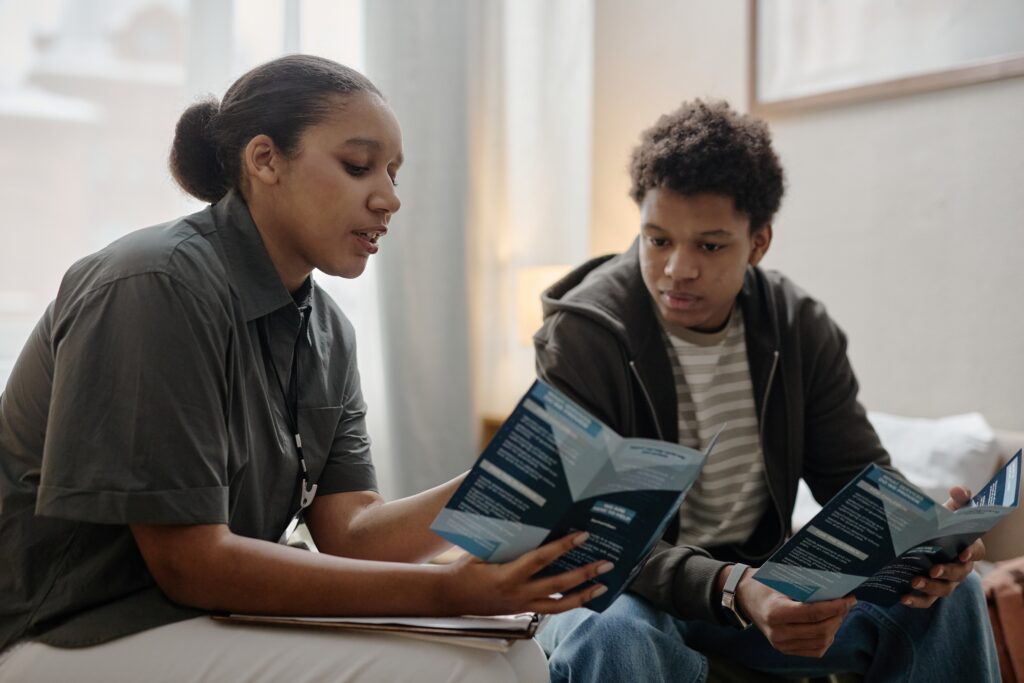
CHVs connect communities with health centres and health posts. They support people with suspected leprosy to access health services, help ensure testing takes place promptly, and follow up with patients during treatment.
Multi Drug Therapy medication can sometimes be in short supply at rural and isolated health posts. In these situations, CHVs work alongside the PHACE team to advocate with health services for timely access to medication and continuity of treatment.
Because leprosy is not common in these places, having community volunteers who can spot the disease is crucial. And because these volunteers offer so much to their communities through other services, they are a regular part of community life, giving them more opportunities to talk about symptoms and spot cases of leprosy.
- Between 2023 and 2025, over 150 CHVs received training in Papua New Guinea and Timor-Leste.
- Volunteers spoke to 89 communities across the two countries.
- PHACE initiatives reached over 60,000 beneficiaries.
“The community doesn’t have access to TV, so they miss the social issues that come up on TV programmes, so our face-to-face communication with them is often the first time they will hear about social issues. When we talk about social issues, people do listen and we find that they have an understanding of the issues after this. I like this volunteering role because I get to learn about issues I didn’t know about before.”
– Ofelia, a CHV at Misuan Lepra Timor-Leste
What Information do CHVs Share with Communities?
CHVs become a hub of knowledge in their communities, teaching the people around them about common and emerging diseases, detecting early signs of leprosy, how to access safe drinking water, the importance of hygiene, and how and when to access health and well-being services.
Sometimes people come to the CHVs and sometimes they go looking for opportunities to share their messages. As well as being a source of knowledge, they also act as a point of referral for community members, carving out pathways to the services they need most but did not know how to access.
CHVs have also received training on human rights, domestic violence and Gender-Based Violence. They provide referral pathways for humanitarian assistance, social assistance, and legal aid. While providing leprosy knowledge is a key aspect of their volunteering roles, being a source of a variety of knowledge supports communities with knowledge about wider social issues that may lead to health decline.
Pathways to services established:
- Health clinics and ambulances
- Police services
- Women’s groups
- Gender Based Violence and Family Services
- Local leaders and businesses
- Churches
- Schools
- The Leprosy Mission
- Non-Governmental Organisations (NGO’s)
Albert’s Story
Albert, a gifted guitarist, started developing red patches on his skin. This is an early sign of leprosy. He was unaware. His muscles started to weaken, and his hands began to claw. Fear and misunderstanding meant Albert’s family and community started to push him away, accusing him of sorcery and cutting him out of family life. This rejection forced him to leave all he knew.
Homeless and alone, Albert battled with trauma and self-stigma, affecting his mental health. He lived with leprosy for nearly six years without knowing what was wrong.
A CHV, supported and trained by the PHACE programme, recognised Albert’s symptoms and referred him to the nearest hospital. He was diagnosed with leprosy and administered Multi Drug Therapy.
The support didn’t end there. Albert received regular check-ups, and was provided with self-care resources and emotional support. He completed his treatment and is now cured of leprosy.
Today, Albert is rebuilding his life, advocating for people affected and working for The Leprosy Mission in Papua New Guinea doing data entry for the PHACE programme. Most of all, Albert plays the guitar again, a sign he says symbolises his transformation.
Read more about the PHACE programme and the role of CHVs in: How can we achieve elimination in low-endemic communities?